
CASE STUDIES
Currier Plastics
35% higher first pass yield: how Currier Plastics is improving performance with intouch
Currier Plastics is a US-based plastics manufacturer with operations across both the East and West Coasts, including facilities in Auburn, New York and California.
Operating across blow moulding, injection moulding, cleanroom production and secondary manufacturing processes, Currier has continued to grow while investing in the systems and technology needed to improve efficiency, quality and competitiveness across its operations.

Before intouch, Currier Plastics relied heavily on ERP data, manual machine logs, spreadsheets and reporting processes to understand production performance. Information was often delayed, making it difficult to identify downtime, scrap and efficiency losses while they were actually happening.
Currier introduced intouch to provide real-time shop floor visibility, initially trialling the system on 4 machines before progressively expanding it across its Auburn operation and other facilities.
Since implementation, Currier has seen significant improvements in labour efficiency, first pass yield and machine performance, while giving operators, technicians and managers the information to make faster, data-driven decisions.
Watch our case study video:
The challenge
Currier’s journey with intouch began with a straightforward problem: the business had production data, but it wasn’t getting that information quickly or consistently enough to influence what was happening on the shop floor.
Its ERP system provided valuable business information but wasn’t designed to deliver the real-time manufacturing visibility production teams needed. Downtime and machine logs also relied heavily on manual reporting, creating inconsistencies between shifts and making it difficult to establish an accurate picture of performance.
In some cases, teams were making decisions based on information that was 24 hours old, and sometimes up to 1 week old. By the time data had been gathered and analysed, the opportunity to address a production issue as it occurred had already passed.
For management and engineering teams, simply finding the problem could consume a significant amount of time. Production Manager Steve Salls estimates he was spending approximately 3 hours every day crunching and reviewing data. Process Engineer Blake Kane similarly recalls having to search through physical paperwork and filing cabinets to obtain the information required to build control charts and evaluate process trends.
Production scrap
Scrap was another challenge.
Currier's production lines include downstream processes such as leak checks, camera inspection systems and weigh scales. Rejected products could therefore occur beyond the primary machine and, in some cases, physically accumulate underneath or behind equipment.
The result was that the true scale of first pass yield losses wasn't always apparent.
"You could literally be throwing bottles away and not realising the significance of how many." Scott Reilly - Continuous Improvement Leader, Currier Plastics
Unscheduled downtime was also being underestimated. Once Currier had greater visibility of when machines were expected to be producing but weren't, the team discovered more lost production time than anticipated.
For a manufacturer operating 24/7, these challenges had implications beyond an individual machine. Lost production could affect labour requirements, scheduling, material availability, delivery performance and ultimately cost competitiveness.
Currier needed to move from retrospectively analysing what had happened to understanding what was happening now.
With manufacturing facilities across the US, there was also a wider strategic consideration. Any solution needed to provide a model that could ultimately be standardised and scaled beyond a single facility.
The approach
Currier started with intouch on just 4 machines, giving the team an opportunity to see the value of real-time production data before expanding further.
Following the success of the initial implementation, Currier progressively rolled intouch out across its Auburn operation. The straightforward setup made it easy to introduce the system to additional machines and production areas as the team was ready.
This phased approach helped build confidence across the shop floor while demonstrating that intouch could scale easily alongside Currier’s requirements.
With the system now established across Auburn, Currier has a proven approach that can be replicated across its other manufacturing sites.

'They were begging for it in their cell. They had seen how it had worked in other cells, and they were very impatient to get it in their cell.'
Steve Salls – Production Manager, Currier Plastics
The solution
Intouch gave Currier a live view of machine status, downtime, scrap, efficiency, first pass yield and production progress.
A central part of the implementation was making that information visible beyond the management team.
Tablets displaying intouch were installed at connected machines, while larger dashboards gave teams visibility across production cells and departments. Operators, technicians, coordinators and managers could therefore work from the same production information.
If a machine with a 5% scrap target begins running at 6.5% or 7%, for example, the operator doesn't need to wait for a manager to analyse a report the following morning. The problem is visible and can be investigated immediately.
That has helped move ownership of production performance further onto the shop floor.
Operators can monitor how their machines are performing, understand whether adjustments are having the desired effect and alert technical teams when additional support is required.
Intouch's downtime information and comments also provide additional context. Operators and technicians can record what happened around an event, creating a history that engineering and maintenance teams can use to identify recurring problems and investigate root causes.
The information has also become part of Currier's daily technical production meetings. Production, maintenance, engineering, automation and technical teams can review the previous shift from the same dataset and determine where resources should be focused.
This shift has helped change the role of production data within the business. Instead of primarily being something management reviews after the event, it has become a tool operators and technical teams use throughout the working day.
Currier also worked with Wipfli to support implementation, system configuration, training and the connection between its wider digital systems and intouch.
Key Achievements
2.5% increase in labour efficiency, worth approximately $90,000 in one quarter 35% improvement in first pass yield in blow moulding 28% improvement in first pass yield in cleanroom operations Individual machines achieving upwards of 10% efficiency gains Efficiency loss on key Cell 2 lines reduced from 9–12% to 2–3% Management data analysis reduced from approximately 3 hours per day to 1 hour A new product initially running at 38.6% scrap actively driven towards a 5% target One production example achieving just 0.4% failure, against a target of below 5% Direct labour spend maintained at approximately the same level as the previous year, despite cost-of-living pay increases and continued growth
The results
Improved visibility has delivered measurable results across Currier’s operations.

'We found we had increased our labour efficiency by 2.5%. It was roughly $90,000 for that quarter.'
Scott Reilly – Continuous Improvement Leader, Currier Plastics
In Cell 2, efficiency losses of approximately 9–12% per day reduced to around 2–3%.
The time spent analysing production data has also fallen significantly, from approximately 3 hours per day to around 1 hour, giving the team more time to focus on root cause analysis and improvement.
Real-time visibility is helping reduce scrap too. One new product began with a scrap rate of 38.6% against a target of 5%. Using intouch to identify and monitor the causes, Currier was able to make targeted adjustments, reduce scrap and lower the labour required to support the line.
In another example, production adjustments resulted in a failure rate of just 0.4%, against a typical target of below 5%.
Despite continued growth and employee cost-of-living increases, Currier has also maintained approximately the same dollar spend on direct labour as the previous year.

'I can tell you we’re as cost-competitive as we have been in my entire time at Currier… Intouch has been a very, very large percentage of our improvement this year.'
Raymond McKee – COO, Currier Plastics
With intouch established across Auburn, Currier now has a proven production monitoring model that can be easily rolled out across its wider manufacturing operations.
Trusted by the best
Since our foundation in 1997, we’ve installed hundreds of systems worldwide and received some great feedback. Don’t just take our word for it!

MGS Technical Plastics
MGS Technical Plastics uses Intouch across its injection moulding operations to gain real-time production visibility, improve machine utilisation and reduce downtime. With reliable data readily…

Shapers’ Group
Shapers is a UK-based injection moulding specialist supplying high-quality plastic components supplying various sectors including the automotive industry. Operating in a demanding, high-volume…

US Farathane
US Farathane is a leading automotive supplier with manufacturing operations across the United States and Mexico. Operating in a highly competitive environment with tight margins and demanding…

KAM Plastics Corp
Known for its engineering excellence, flexible approach and commitment to quality, KAM Plastics combines innovative design, advanced manufacturing and assembly expertise to deliver reliable,…

LMC Industries
Founded in 1945 and headquartered in Arnold, Missouri, LMC Industries is a contract manufacturer specialising in precision injection moulding and metal stamping. Serving industries from automotive to…
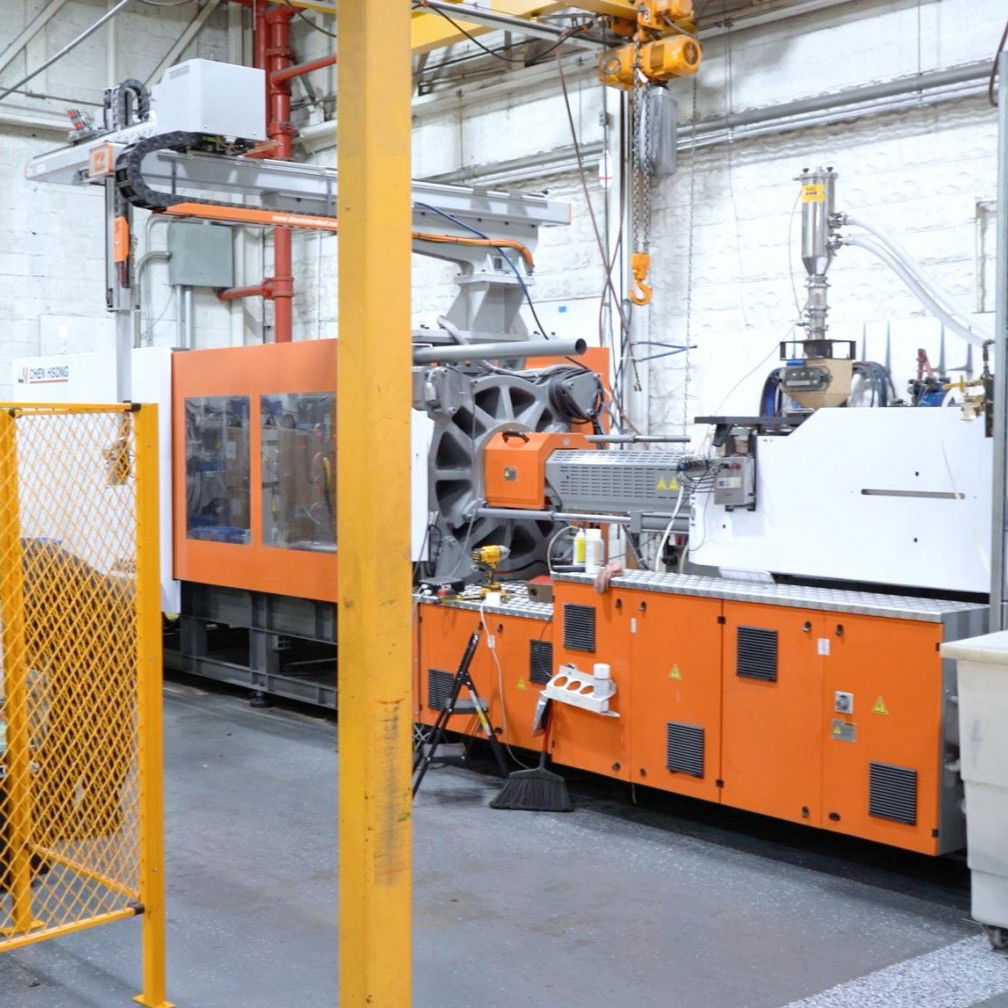
Progressive Plastics Inc
Progressive Plastics was founded in 2004 and is a full-service injection moulder. They supply products for industries such as Military, Aerospace, Office, Plumbing, Construction, Filtration, and…
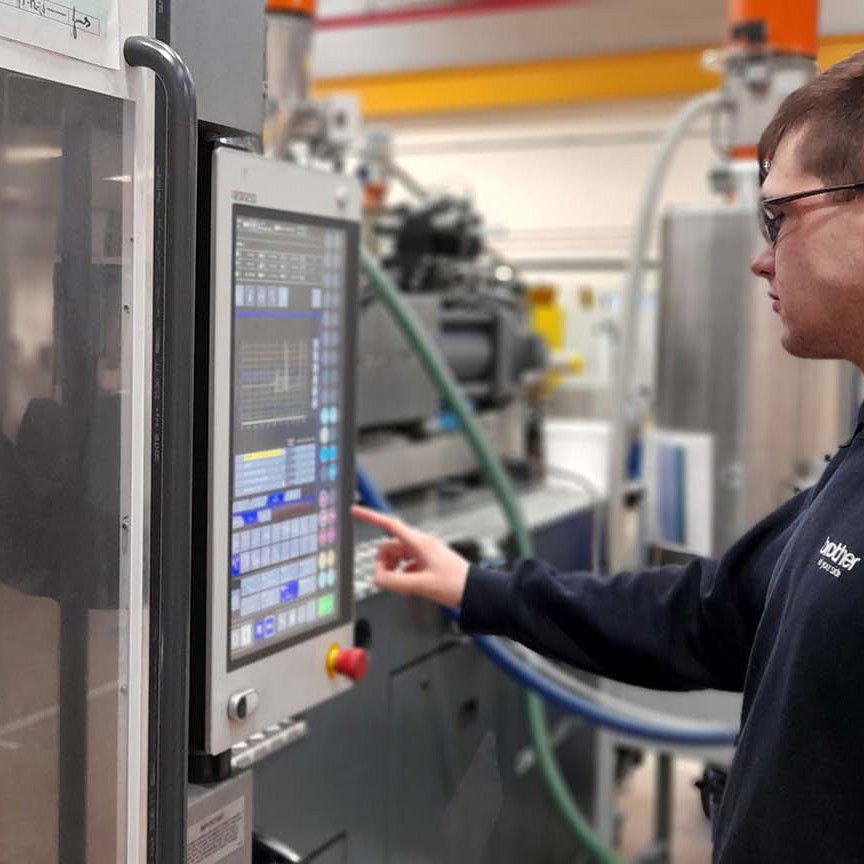
Brother UK
Brother UK is a recognised, household brand with a very long history. Celebrating over 100 years, the first European base was established in Ireland in 1958. In 1968 they took over the Jones Sewing…
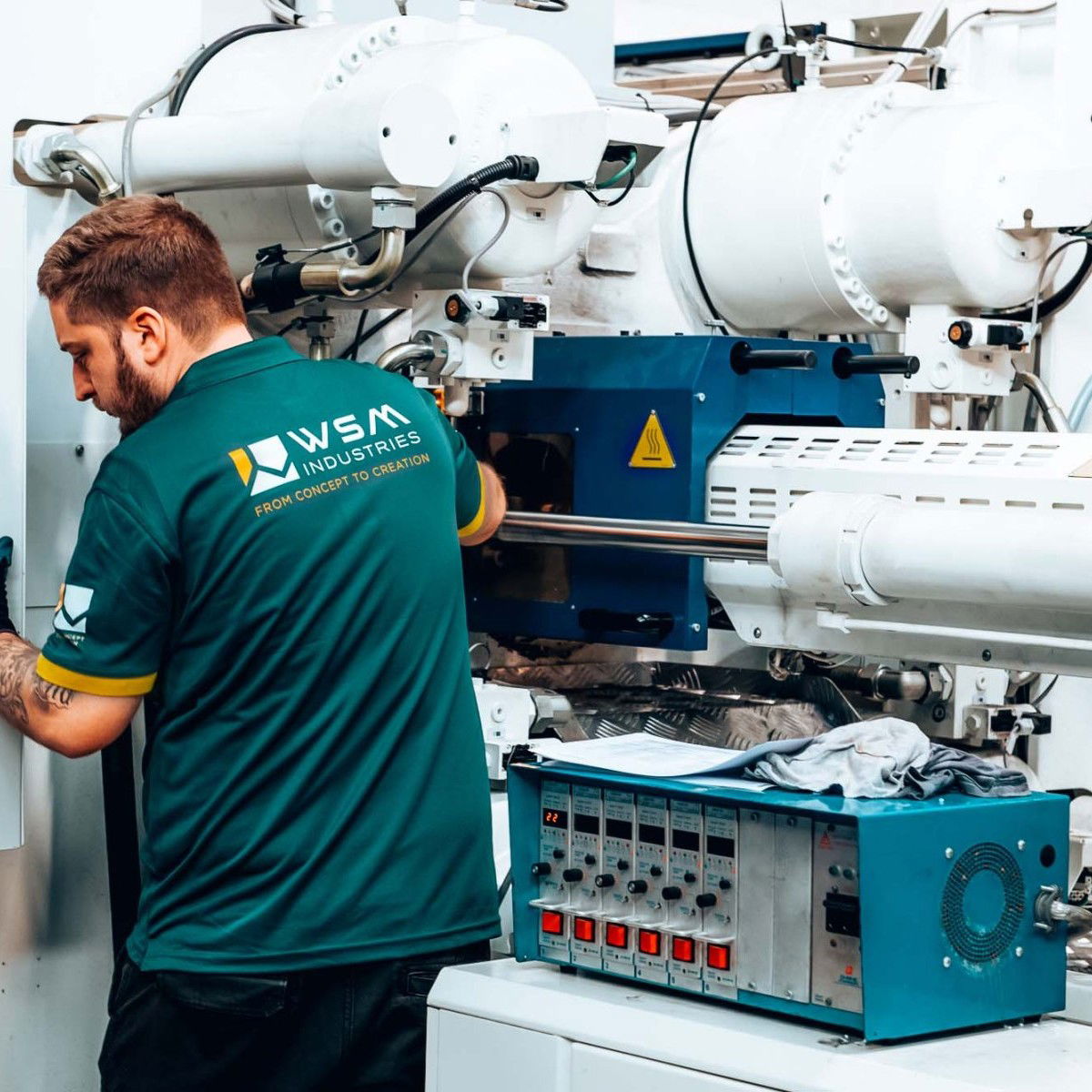
WSM INDUSTRIES
WSM INDUSTRIES are a unique global injection moulding and tool making business with over 25 years’ experience. They are considered the go-to provider of injection mould tooling for leading names from…

Unette
Unette provides innovative liquid filling solutions to the beauty, healthcare, food & drink and pharmaceutical industries. Their cost-effective filling solutions are achieved by a comprehensive…
Ready to increase your productivity?
We would love to hear from you. Call, email or use the contact form and we’ll get right back to you.
Headquarters
Intouch Monitoring Ltd
Ironstone House
Ironstone Way, Brixworth
Northamptonshire
NN6 9UD